

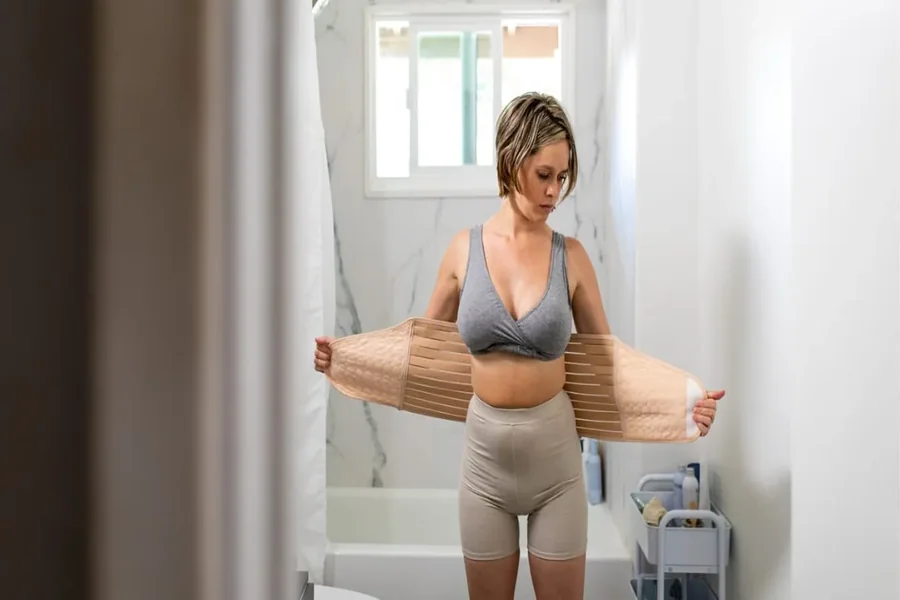
Postpartum recovery is a complex process with a series of physical adjustments, like hormonal changes, stretched muscles, and shifting internal organs. As relaxation levels decrease, the body may feel less stable, especially around the midsection and pelvic floor.
A maternity belt during recovery serves a purpose beyond aesthetics. It provides orthopedic support for the rectus abdominis and lower back as they work toward regaining strength.
Let’s quickly jump into it!
Understanding the Postpartum Internal Shift
During pregnancy, your body undergoes a series of radical changes. Your abdominal muscles (the rectus abdominis) stretch as far as they can, and the hormone relaxin makes your ligaments and joints less stiff so you can give birth.
Once the baby arrives, your internal organs, which were displaced to make room for the uterus, begin to transition back to their original positions. This transition period can leave you feeling empty or unstable in your midsection. This is where a post pregnancy belt comes into play.
By providing gentle, external compression, it functions just like a temporary splint for your core, offering the stability your muscles aren’t yet ready to provide on their own.
Key Benefits of a Post Pregnancy Belt for Faster Postpartum Recovery
- Managing Diastasis Recti
Diastasis Recti (DR) is the separation of the left and right abdominal muscles. Some separation is normal, but severe cases can cause long-term back pain and problems with the pelvic floor. A belt helps pull these muscles closer together, which gives the connective tissue (linea alba) the tension it needs to heal. A belt isn’t a replacement for corrective exercises, but it does give your body the structural reminder it needs when you move around every day.
- Enhanced Support After a C-Section
For mothers who deliver via Cesarean section, the recovery involves healing from major abdominal surgery. A support belt protects the incision site by reducing the strain on the stitches when you laugh, cough, or move. It provides a sense of security, making those first few weeks of mobility significantly less daunting.
- Postural Alignment and Pain Relief
The nursing slouch is a real phenomenon. Between breastfeeding, rocking the baby, and carrying heavy gear, new moms often experience intense lower back and shoulder pain. A pregnancy belt encourages an upright posture by supporting the lumbar spine. By taking the pressure off your overworked back muscles, it improves overall comfort during everyday tasks.
- Pelvic Floor Stabilization
The core isn’t just about the abs; however, the pelvic floor forms its base. During postpartum recovery, the pelvic girdle may feel weak or misaligned. Supportive compression around the hips and lower abdomen can improve stability, which may help ease discomfort associated with Symphysis Pubis Dysfunction (SPD) or sacroiliac (SI) joint pain.
When Is the Right Time to Wear a Post Pregnancy Belt?
Timing plays an important role in postpartum recovery. Start with light support soon after birth and slowly increase the level of compression as your body begins to heal. Follow this guide:
| Phase | Recommendation | Focus |
| Days 1–7 | Light, breathable belts. | Gentle organ support and incision protection. |
| Weeks 2–6 | Structured medical-grade belts. | Core stabilization and postural correction. |
| Week 6+ | Change to activewear/tapering off. | Rebuilding natural muscle strength. |
Pro-Tip: Refrain from wearing the belt so tight that it restricts breathing or causes downward pressure on the pelvic floor.
What Should You Look for in a Post Pregnancy Belt?
Not all belts give you the same amount of support. When picking a pregnancy belt to wear after giving birth, keep these three factors in mind:
- Material: Look for medical-grade, latex-free fabrics. Breathability is crucial, particularly if you’re recovering during the summer months or experiencing postpartum night sweats.
- Adjustability: Your body shape will change rapidly in the first six weeks. Choose a belt with multiple velcro panels or tension straps so you can tighten it as your swelling subsides.
- Width: Make sure the belt is wide enough to cover from the bottom of your ribs to your hip bones. A narrow belt can dig into the body and lead to uneven compression.
Essential Safety Tips When Using a Post Pregnancy Belt
While the benefits are numerous, a belt is a tool, not a cure-all. To ensure a safe recovery, keep the following in mind:
- Don’t Over-Rely: Your muscles need to learn how to work on their own again. Wearing a belt all day and night might cause your core muscles to become weaker. Take it off before bed and put it on during the day when you’re most active.
- Be Mindful of Your Pelvic Floor: If you feel increased pressure in your vaginal area or experience heaviness while wearing a belt, remove it immediately and consult a doctor. Excessive abdominal pressure can worsen pelvic organ prolapse.
- Consult Your Doctor: Get clearance from your OB-GYN or midwife during your postpartum checkup, particularly if you experienced complications during delivery.
Healthy Habits That Support Postpartum Recovery
A recovery belt becomes more effective when it’s incorporated in a broader postpartum care plan, such as:
- Hydration and Nutrition: Eating collagen-rich foods and staying well-hydrated helps support the repair of skin and connective tissues from within.
- Pelvic Floor Physical Therapy: A pelvic floor therapist can recommend specific exercises to support core recovery and improve stability.
- Gentle Movement: Walking and deep diaphragmatic breathing are the best methods to gently activate your deep core again.
Conclusion
In the chaos of diaper changes and sleepless nights, your own recovery can feel like an afterthought.
However, putting on a post pregnancy belt is an easy way to take care of yourself that makes you more comfortable during the day. It provides a crucial layer of protection for your incision, functioning as a secondary abdominal wall while your tissues knit back together.
This extra security allows you to move, cough, and lift your baby with significantly less fear and pain. Focus on protection in these early weeks, and you’ll find the path to full mobility much smoother. Also, always consult your healthcare provider for the best and safest advice to achieve effective recovery results.
